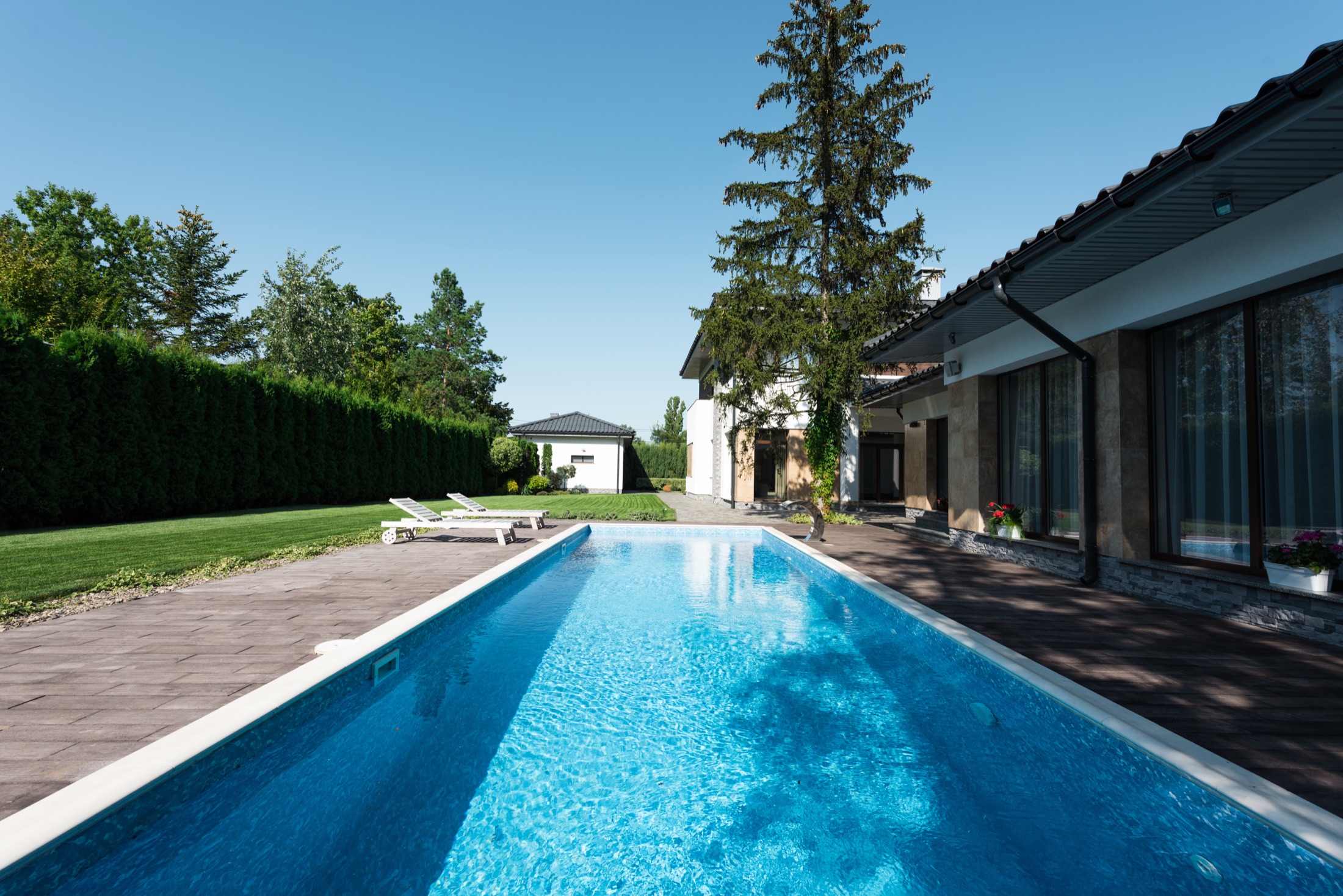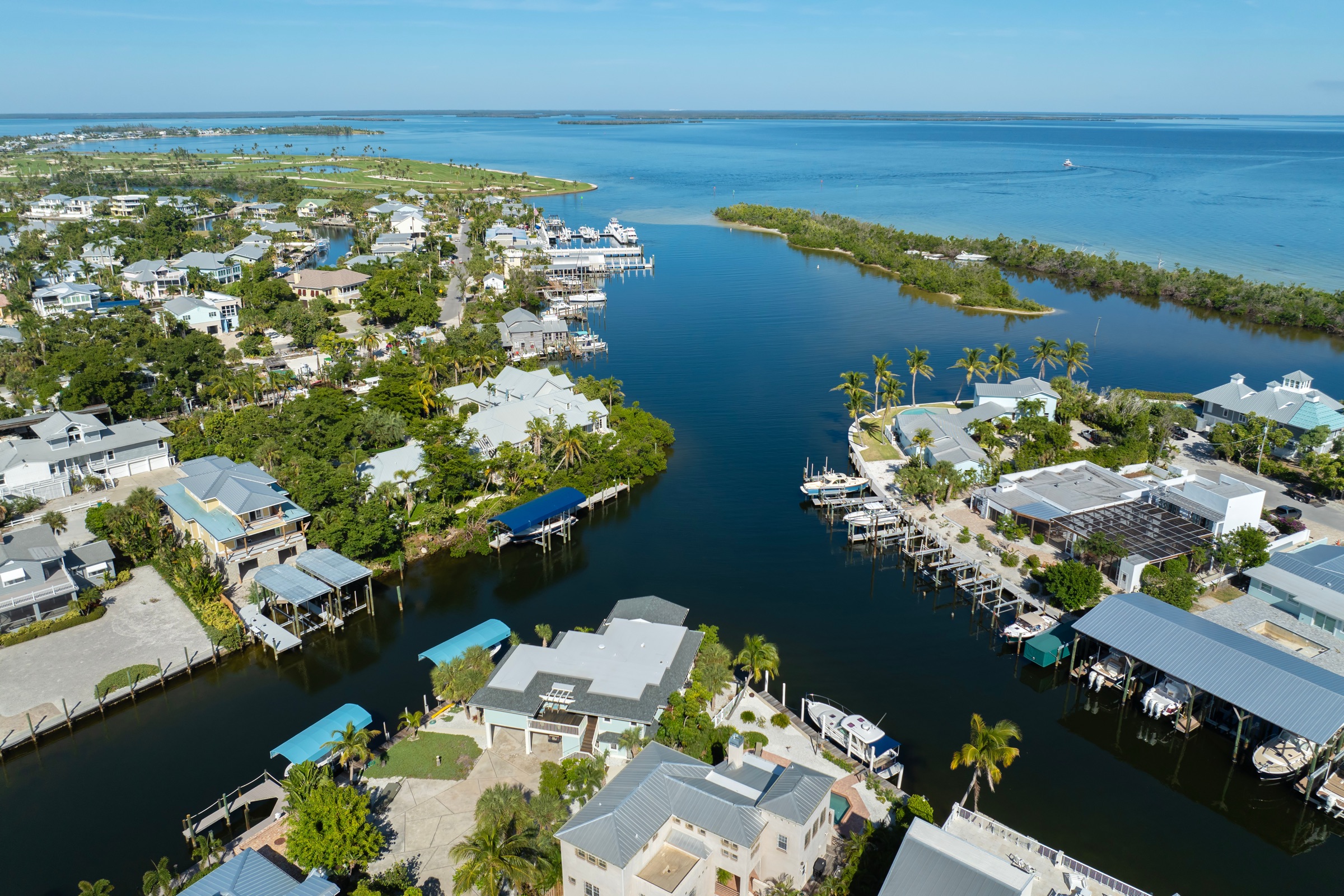
- —Florida new construction insurance often costs significantly less than insuring an older home, because modern homes are built to current wind code and carry mitigation features insurers reward.
- —Roof age and shape, impact-rated windows, reinforced roof-to-wall connections, and elevation all factor into wind-mitigation credits that lower premiums.
- —A home built to Florida's current code typically qualifies for the strongest mitigation credits available — savings that compound every year you own it.
- —Insurance pricing varies widely by insurer, location, elevation, and coverage; the figures here are illustrative ranges, not quotes.
- —Always confirm a specific home's projected premium with a licensed Florida insurance agent before relying on any savings estimate.
Florida new construction insurance often costs significantly less than insuring an older home — sometimes meaningfully less — and the reason is structural, not promotional. A home built to Florida’s current wind code carries the exact features insurers reward: a new roof, impact-rated openings, reinforced roof-to-wall connections, and a roof shape engineered to shed hurricane uplift. Because insurers price premiums on the probability of a claim, a code-built home is simply a lower risk, and that lower risk shows up on the bill every year you own it. For an investor weighing total cost of ownership on the Gulf coast, insurance is one of the strongest hidden arguments for buying new. (Specifics vary widely — always confirm with a licensed Florida insurer before relying on any estimate.)
The core mechanism: risk pricing
Insurance is, at heart, a bet on the likelihood and size of a future claim. In hurricane-exposed Florida, the biggest variables in that bet are how the home is built and how old its roof is. An older home with aging materials, original windows, and no documented mitigation features represents a higher probability of a costly claim. A new home built to current code represents a lower one.
That’s why new home insurance cost and old-home insurance cost can diverge so sharply for two properties of similar value. The new build isn’t getting a discount out of goodwill — it’s being priced for what it is: a structure engineered to survive the storm that would total its older neighbor. Understanding that mechanism is the key to understanding every credit below.
Wind mitigation — where the savings actually come from
In Florida, the savings are formalized through wind mitigation. A licensed inspector documents specific construction features on a standardized wind-mitigation inspection form, and insurers apply a premium credit for each qualifying feature. New construction typically captures most or all of these automatically, because they’re built into current code.
The features that matter most:
- Roof shape. Hip roofs (sloped on all sides) resist uplift better than gable roofs and earn stronger credits.
- Roof-deck attachment. How the roof sheathing is fastened to the trusses — modern nailing patterns outperform older standards.
- Roof-to-wall connection. Hurricane clips or straps that tie the roof to the walls, versus older toe-nailed connections.
- Secondary water barrier. A sealed roof deck that limits water intrusion if the covering is lost.
- Impact-rated openings. Windows and doors rated to survive wind-borne debris, which can also reduce or eliminate the need for shutters.
Each of these is a line item on the mitigation form, and each one a new home usually checks by default. The result is that hurricane code savings aren’t a bonus you chase — on new construction, they’re the baseline.
Roof age: the single biggest lever
If one factor deserves its own section, it’s the roof. Roof age is one of the most influential variables in Florida home insurance, full stop. Many insurers limit coverage, require an inspection, or decline to write a policy on roofs past a certain age — and an aging roof can push premiums up sharply or trigger non-renewal at the worst possible time.
New construction removes that problem entirely. A brand-new roof means no age-related surcharges, no inspection hurdles, and no looming non-renewal risk for years. For an investor modeling holding costs, that’s not a small line item — it’s the difference between a predictable premium and a moving target. The same advantage runs through the broader new construction and hurricane code story on the Gulf coast.
Illustrative ranges — framed honestly
Buyers always want a number, so here’s an honest framing. The table below is illustrative, not a quote — actual premiums depend on insurer, location, elevation, coverage limits, and the specific home. Always confirm with a licensed Florida insurance agent.
| Home profile | Roof / mitigation | Relative premium (illustrative) |
|---|---|---|
| New construction, current code | New roof, full mitigation credits | Lowest |
| Renovated older home | Newer roof, partial mitigation | Moderate |
| Older home, updated openings | Aging roof, some credits | Elevated |
| Older home, no mitigation | Old roof, no documented features | Highest |
The pattern is consistent across the market: the further a home sits from current code and a new roof, the more it costs to insure. The exact spread varies, but the direction never does. An older, unmitigated home of similar value can pay multiples of what a comparable new build pays — which is why insurance belongs in any serious total-cost comparison, as we discuss in the broader Gulf-coast new-construction investment case.
The wind-mitigation inspection: how the credits get documented
It’s worth understanding the paperwork, because that’s where the savings become official. In Florida, mitigation credits aren’t applied on the insurer’s good faith — they’re documented on a standardized wind-mitigation inspection (often referenced by its uniform form), completed by a licensed inspector. The inspector verifies and records each qualifying feature: roof shape, roof-deck attachment, roof-to-wall connections, secondary water barrier, and opening protection.
For an older home, this inspection is a moment of truth — it can reveal that long-assumed features don’t actually qualify, or that an aging roof undercuts everything else. For new construction, it’s typically a formality that confirms what the build already includes: a home constructed to current code generally passes with the strongest available credits, because those features are baked into the construction standard rather than retrofitted. That predictability is part of the value. You’re not hoping an inspector finds qualifying features hidden behind drywall; you know they’re there by design.
How insurance fits the total-cost-of-ownership picture
Smart buyers don’t evaluate a home on price alone — they model the carrying cost over years of ownership, and insurance is one of its largest and most volatile lines. Two homes can list at similar prices and diverge sharply once you add insurance, with the older home quietly costing thousands more every year. Over a typical hold period, that gap compounds into a meaningful number, and it directly affects net yield for an investor and monthly affordability for a family.
This is why a code-built home’s lower premium is more than a one-time perk. It’s a recurring structural advantage that improves cash flow, reduces the risk of a sudden non-renewal forcing you into the surplus-lines market, and makes the home easier to finance and eventually resell — because the next buyer inherits the same favorable insurance position. When you’re comparing properties, ask for the insurance picture early; it can change which home is actually the better buy, sometimes reversing what the sticker prices suggest.
What new construction doesn’t automatically solve
Honesty matters here, so two caveats. First, wind mitigation and flood insurance are separate. Standard homeowners and wind policies generally don’t cover flood — that requires a separate policy, often through the NFIP or a private insurer, and whether you need it depends on the home’s flood zone and elevation. The good news is that a newly elevated, code-built home may carry lower flood premiums; the rule is to confirm the flood zone and requirements with a licensed insurer and your lender.
Second, the Florida market itself moves. Insurer appetite, reinsurance costs, and statewide pricing shift over time, and even a new home’s premium isn’t fixed forever. New construction gives you the strongest structural position available — but it’s a position within a market, not immunity from it. Build your purchase math on confirmed quotes, not assumptions.
The investor takeaway
For an investor, Florida new construction insurance is a recurring advantage that compounds. Lower premiums every year improve net yield, reduce the risk of a non-renewal surprise, and make the home easier to finance, insure, and eventually resell. When you stack that on top of modern construction, lower maintenance, and the resilience that protects the asset itself, insurance stops being an afterthought and becomes part of the return.
That logic applies wherever you’re buying on the Gulf coast — the canal homes of Punta Gorda Isles, the new builds of Cape Haze, and beyond. If you’re early in the process, our buying new construction in Florida guide and the questions buyers ask page cover what to verify before you commit.
One last piece of practical advice: get the insurance quote before you waive contingencies, not after. Florida’s market can surprise even experienced buyers, and the only way to turn a structural advantage into a confirmed number is to put the specific home in front of a licensed insurer early in the transaction. A new build gives you the strongest possible starting position — current code, a new roof, full mitigation credits — but the actual premium still depends on the carrier, the flood zone, the elevation, and your coverage choices. Treat the quote as part of your diligence, the same way you’d treat an inspection or a survey. Buyers who do this avoid unpleasant surprises and often find that the insurance math makes the case for new construction even more decisively than the listing price did.
Where OceanFL fits: OceanFL is buyer-side. Sabatino Campilii represents you — and part of representing a buyer well on the Gulf coast is helping you see the full cost picture, insurance included, before you fall in love with a home. We don’t quote premiums; a licensed insurer does that. What we do is steer you toward homes whose construction and code position give you the strongest hand when those quotes come in, so the numbers work in your favor for years.

Realtor®, The K Company Realty (LoKation®)
Engineer, 25-year builder, and licensed Realtor® representing buyers and sellers across the seven Southwest Florida Gulf-coast pockets. Reviewed and published March 30, 2026.
Frequently asked
Why is insurance cheaper on new construction in Florida? +
New homes are built to Florida's current wind code, which means stronger roof-to-wall connections, impact-rated openings, and roof designs that resist hurricane uplift. Insurers price risk on the likelihood of a claim, so a code-built home with a new roof and mitigation features is statistically less likely to suffer catastrophic damage. That lower risk typically translates into meaningfully lower premiums than comparable older homes.
What is wind mitigation and how does it save money? +
Wind mitigation refers to construction features that help a home resist hurricane-force wind — roof shape, roof-deck attachment, roof-to-wall connections like hurricane clips or straps, secondary water barriers, and impact-rated windows and doors. In Florida, a licensed inspector documents these on a wind-mitigation inspection form, and insurers apply premium credits for each qualifying feature. New construction usually maxes out these credits automatically.
How much can new construction lower my Florida home insurance? +
Savings vary widely by insurer, location, elevation, and coverage limits, so no single number applies. Generally, the difference between a fully code-compliant new home and an older, unmitigated home of similar value can be substantial — older homes with aging roofs and no mitigation features often pay multiples of what a comparable new build pays. Confirm any specific estimate with a licensed Florida insurer.
Does roof age really affect Florida insurance that much? +
Yes — roof age is one of the most influential factors in Florida home insurance. Many insurers limit or decline coverage on roofs over a certain age, or require a roof inspection, and an aging roof can raise premiums sharply or trigger non-renewal. A new roof on new construction removes that risk entirely for years, which is a major reason new homes insure more affordably. Policies and thresholds vary by insurer.
Do I still need flood insurance on a new Florida home? +
Possibly — wind mitigation and flood coverage are separate. Standard homeowners and wind policies generally don't cover flood; that requires a separate flood policy, often through the NFIP or a private insurer. Whether you need it depends on the home's flood zone and elevation. A newly elevated, code-built home may carry lower flood premiums, but always confirm the flood zone and requirements with a licensed insurer and your lender.
Have OceanFL represent you — before you call any listing agent.
Start your discovery call →