- —New construction hurricane code refers to the wind, elevation, and structural standards in the Florida Building Code that govern how coastal homes are built to survive major storms.
- —Gulf-coast barrier islands and waterfront parcels typically fall in High-Velocity Hurricane and wind-borne-debris zones, which require impact-rated openings or shutters and continuous load paths from roof to foundation.
- —Homes built to current code are generally engineered for design wind speeds well above 140 mph, with elevated finished floors set by FEMA flood-zone requirements.
- —Code compliance directly affects insurability and premiums, because wind-mitigation features documented at construction often qualify for meaningful insurance credits.
- —Always verify current code edition, your parcel's flood zone, and required elevation with the builder and the county building department before you commit.
New construction hurricane code on the Gulf coast is the framework of wind, structural, and elevation standards — rooted in the Florida Building Code — that determines how a coastal home is engineered to survive a major storm. In practice, it means a new home near the water is built with impact-rated openings, a continuous load path from roof to foundation, and a finished floor lifted to meet FEMA flood requirements. For buyers, sellers, and investors evaluating Southwest Florida waterfront, understanding this code is the difference between a house that merely looks solid and one that is genuinely engineered for the conditions it sits in.
This guide explains what the code actually requires, why newer homes generally outperform older stock in a storm, and — critically — what you should verify with the builder and county before you commit. None of the figures below should be treated as the final word on your specific lot; code editions, flood maps, and county amendments change, and your parcel may differ.
Why the Gulf coast has its own rulebook
Florida’s building code is one of the most demanding in the country, and it tightened substantially after Hurricane Andrew in 1992. The Gulf coast’s barrier islands, peninsulas, and canal communities sit in the path of named storms and storm surge, so the code treats them as higher-risk zones than inland parcels. Two concepts drive most of the requirements: design wind speed and wind-borne-debris protection.
The Florida Building Code assigns design wind speeds by location and the building’s risk category. Coastal Gulf parcels generally fall into zones requiring design winds well above 140 mph, and certain high-velocity areas demand more. These are engineering design values used to size structural members, fasteners, and connections — not a promise that any building is storm-proof. The point is margin: a home designed to a higher wind speed has more built-in structural reserve.
A wind-borne-debris region is a code-defined coastal band where openings must resist impact from flying debris. Most Gulf-coast islands and near-shore parcels fall inside it, which is why new homes here ship with impact-rated glass or approved shutter systems as standard rather than as an upgrade.
It helps to understand why the rules tightened. Forensic studies after major Florida storms repeatedly found the same failure pattern: a window or door fails, the wind pressurizes the interior, and that internal pressure pushes the roof off from the inside while the structure is simultaneously pulled at from the outside. Once the building envelope is breached, the rest of the damage cascades. The modern code attacks that chain at every link — keep the openings intact, tie the roof down, and the home has a dramatically better chance of staying whole. That systems thinking, rather than any single product, is what distinguishes current-code construction.
What the code requires in a hurricane resistant home
When people picture hurricane resistant homes, they usually think of impact windows. The code is broader than that. Current new construction on the Gulf coast typically integrates the following systems, each working together rather than in isolation.
- Impact-rated openings or shutters. Windows and doors in wind-borne-debris zones must either be impact-rated or protected by an approved opening-protection system.
- Continuous load path. Metal connectors and straps tie the roof to the walls and the walls to the foundation, so wind uplift is transferred all the way to the ground instead of peeling the roof off.
- Code-compliant roof systems. Roof deck attachment, underlayment, and covering are specified to resist uplift, and secondary water barriers reduce interior damage if the covering is breached.
- Reinforced structure. Concrete block, poured-concrete, or engineered framing with specified reinforcement handles lateral and uplift loads.
- Elevated finished floors. In flood zones, the living level is raised to or above the base flood elevation, frequently on stem walls or pilings near the water.
The table below sketches the broad contrast between older coastal stock and current-code new construction. Treat it as directional, not as a rating of any specific home.
| Feature | Older coastal home (pre-2002 era) | Current-code new construction |
|---|---|---|
| Opening protection | Often standard glass, retrofit shutters | Impact-rated or approved system standard |
| Roof-to-wall connection | Toe-nailing common in oldest stock | Engineered metal connectors / straps |
| Design wind speed basis | Lower historical standards | Higher current Florida Building Code values |
| Finished-floor elevation | May predate current flood maps | Set to current FEMA base flood elevation |
| Wind-mitigation credits | Often limited until retrofitted | Frequently documented at construction |
Elevation, flood zones, and surge
On the water, wind is only half the story; storm surge and flooding are the other half. FEMA flood maps assign each parcel a flood zone and a base flood elevation, and new construction must set the finished floor at or above that height. Near the Gulf and on the islands, that often means living space lifted on stem walls or pilings, with parking and storage below the flood level.
This is where the Gulf coast storm code and your wallet intersect. A higher, code-compliant finished floor reduces flood exposure and can lower flood-insurance costs, while a non-conforming older home in the same zone may face steep premiums or limited coverage. Flood maps are revised periodically, so the zone and required elevation in effect for your purchase are what matter — confirm both with the county building department and your surveyor, and ask your insurer how they translate into a quote.
The detail that surprises buyers most is that elevation is measured from a benchmark, not from the street. Two homes on the same canal can have very different flood risk depending on how high their living level actually sits relative to the base flood elevation. An elevation certificate, prepared by a licensed surveyor, is the document that settles it — and on new construction it should be part of your closing package. If a home cannot produce one, treat that as a question to resolve before, not after, you commit.
If you are weighing a brand-new build against an existing waterfront home, our analysis of why new-construction barrier-island homes are the smartest Gulf-coast play walks through the elevation and resilience math in more depth.
Wind mitigation and what it does to insurance
Wind mitigation new construction is the practical reason code compliance shows up on your insurance bill. A wind-mitigation inspection documents features such as roof shape, roof deck attachment, roof-to-wall connectors, and opening protection. In Florida, these documented features frequently qualify for insurance credits, because they reduce the insurer’s expected loss.
New homes have an advantage here: the mitigating features are built in and documented from day one, rather than being retrofitted and re-inspected later. That does not mean every new home earns identical credits, and it does not set your premium — insurers weigh location, coverage limits, claims history, and their own models. For the full mechanics of how this plays out, see our companion piece on how new construction cuts Florida insurance costs, and always get an actual quote from a licensed agent rather than relying on rules of thumb.
What to verify before you buy or build
Because code editions, county amendments, and flood maps all change, the most valuable thing you can do is confirm the specifics in writing. Before you commit, ask the builder and the county building department to put the following on record.
- Current code edition the home is permitted under, and the design wind speed used for your specific lot.
- Flood zone and base flood elevation for the parcel, plus the planned finished-floor elevation.
- Opening-protection method — impact-rated glass versus an approved shutter system — and whether it covers every opening.
- Roof system details and the connectors used in the roof-to-wall and wall-to-foundation load path.
- Wind-mitigation documentation you will receive at closing, so your insurer can apply available credits.
Insurance, flood, and engineering questions ultimately belong with licensed professionals. Treat the items above as a checklist to bring to your builder, your insurer, and the county — not as a substitute for their guidance.
New construction versus the older home next door
It is worth being honest about what code does and does not promise. A home built to current standards is engineered for higher design loads than a home built decades ago — but “engineered for” is not “guaranteed against.” Storms exceed design assumptions, maintenance lapses, and even well-built homes sustain damage. The right framing is probabilistic: current-code construction shifts the odds meaningfully in your favor and, just as importantly, tends to recover faster and cost less to insure.
That difference compounds over an ownership period. An older waterfront home in a wind-borne-debris zone may need a retrofitted opening-protection system, a re-evaluated roof, and an elevation that no longer matches the current flood map. Each of those is a real cost, and some are difficult or expensive to bring fully up to current standards after the fact. A new build delivers them integrated and documented from day one. When buyers weigh a renovation against a new home, the Gulf coast storm code gap is frequently the hidden variable that tips the math — and it is one an unrepresented buyer often misses until the insurance quote arrives.
This is also why a careful read of the paperwork matters more than a walkthrough. An elevation certificate, a wind-mitigation report, and the permit history tell you what the home is actually rated for. A pretty kitchen tells you nothing about how the house behaves at 130 mph.
How this shapes value across the region
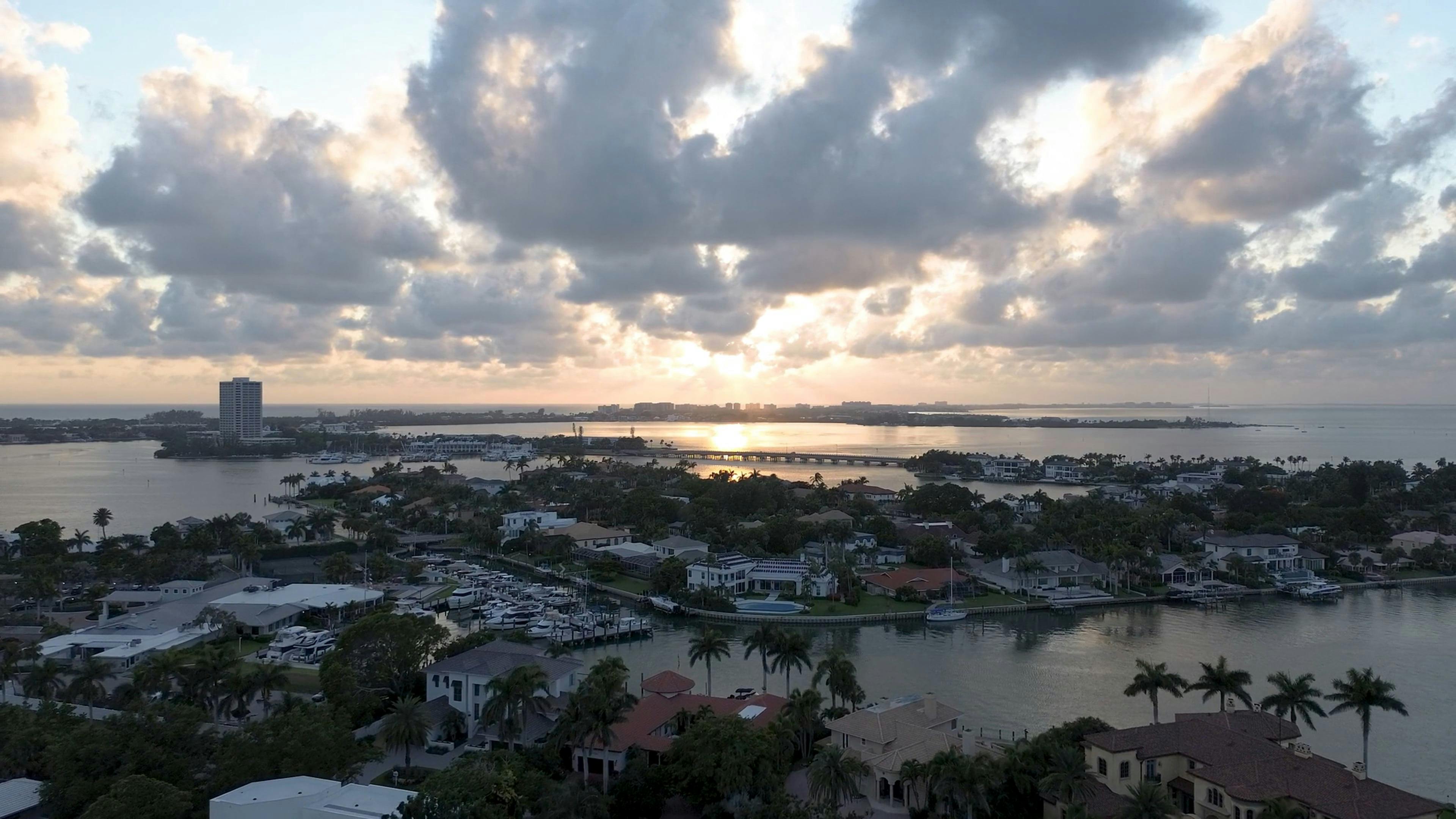
Resilience now reads directly into value. Buyers increasingly screen for current-code construction; sellers of older homes often face appraisal and insurance friction that a newer home avoids; and investors view code-compliant new builds as lower-volatility assets in a market defined by storms. That dynamic shows up everywhere from Boca Grande to canal communities like Punta Gorda Isles and the peninsulas around Cape Haze. If you are comparing specific parcels or weighing renovation versus new construction, the questions page collects the issues buyers raise most.
Where OceanFL fits: OceanFL is buyer-side. Sabatino Campilii represents you — not the builder and not the seller — which means we read the permits, the elevation certificate, the wind-mitigation report, and the code details with your interests first, and we bring in the licensed inspectors, insurers, and attorneys needed to confirm every specific. When you are ready to evaluate a new-construction Gulf-coast home with someone reading the fine print on your behalf, reach out.

Realtor®, The K Company Realty (LoKation®)
Engineer, 25-year builder, and licensed Realtor® representing buyers and sellers across the seven Southwest Florida Gulf-coast pockets. Reviewed and published May 25, 2026.
Frequently asked
What is the new construction hurricane code on the Gulf coast? +
It is the set of structural, wind, and elevation standards in the Florida Building Code that govern how new homes are built in hurricane-prone coastal areas. On the Gulf coast it typically includes wind-borne-debris protection, high design wind speeds, continuous roof-to-foundation load paths, and elevated finished floors keyed to the parcel's FEMA flood zone. The exact requirements vary by county and code edition, so confirm specifics with your builder and local building department.
Do new construction homes lower hurricane insurance costs? +
Often, yes. Hurricane resistant homes built to current code include documented wind-mitigation features — impact-rated openings, reinforced roof-to-wall connections, and code-compliant roof systems — that frequently qualify for insurance credits in Florida. A wind-mitigation inspection report captures these features. Actual premium impact depends on the insurer, location, and coverage, so request quotes from a licensed agent before you assume specific savings.
What wind speed are Gulf-coast homes built to withstand? +
Design wind speeds in the Florida Building Code vary by location and risk category, but coastal Gulf parcels generally fall in zones requiring design winds well above 140 mph, with some high-velocity areas higher. These are engineering design values, not a guarantee against every storm. Your builder can provide the specific design wind speed used for your home and lot.
What is a wind-borne-debris region? +
It is a code-defined coastal area where windows, doors, and other openings must resist impact from flying debris during a hurricane — typically met with impact-rated glass or approved shutter systems. Most Gulf-coast barrier islands and near-coast parcels fall within these regions. Whether your specific lot is included is determined by the county and the current Florida Building Code.
How does flood elevation affect a new Gulf-coast home? +
FEMA flood maps assign each parcel a flood zone and base flood elevation, and new construction must set the finished floor at or above the required height, often on stem walls or pilings near the water. Higher, code-compliant elevation reduces flood risk and can lower flood-insurance costs. Confirm your parcel's flood zone and required elevation with the county and your surveyor.
Have OceanFL represent you — before you call any listing agent.
Start your discovery call →