- —Punta Gorda Isles waterfront is a planned canal community on Charlotte Harbor with roughly 55 miles of maintained seawalls and direct Gulf access for boaters.
- —Sailboat-access homes — those on deep canals with no fixed bridges between the dock and open water — command a premium but remain well-priced versus comparable Gulf-coast markets.
- —The community offers strong dollar-per-waterfront-foot value relative to Boca Grande or Naples, which is why investors and boaters watch it closely.
- —Concrete seawalls maintained through a city-administered program are a structural advantage many natural-shoreline markets can't match.
- —Always confirm a specific home's bridge clearances, canal depth, and seawall status with a survey and the city before relying on any 'sailboat access' label.
Punta Gorda Isles waterfront is one of Southwest Florida’s most underrated boating values: a planned canal community on Charlotte Harbor where deep-water lots, maintained concrete seawalls, and genuine sailboat-access waterfront still trade at a meaningful discount to marquee markets like Boca Grande and Naples. For investors and boaters who care about dollar-per-waterfront-foot, that combination is hard to find. You get direct Gulf access, an established SW Florida boating community, and the kind of engineered canal infrastructure that natural-shoreline markets simply can’t replicate — without paying the trophy-market premium that surrounds it.
What Punta Gorda Isles actually is
Punta Gorda Isles — locals call it PGI — is a master-planned waterfront community carved into the southwest edge of Punta Gorda, fronting Charlotte Harbor and its run to the Gulf. The defining feature is its canal network: roughly 55 miles of maintained seawalls threading deep-water canals through the neighborhood, so a large share of homes sit directly on navigable water with a dock in the backyard.
This isn’t an accident of geography; it’s engineering. The canals were dredged and the seawalls built to a standard, and they’re kept up through a city-administered maintenance program funded by waterfront assessments. For a buyer, that structure matters: a concrete seawall maintained on a known program is a very different asset than a natural shoreline you’re responsible for armoring yourself. It’s one of the quiet reasons PGI holds value.
Sailboat access vs powerboat access — the distinction that drives price
The single most important phrase in this market is sailboat access, and buyers should know exactly what it means before they pay for it.
- Sailboat-access homes sit on deep canals with a clear, unobstructed route to Charlotte Harbor — crucially, no fixed (non-opening) bridges between the dock and open water that would catch a sailboat’s mast.
- Powerboat-access homes also reach open water, but the route may pass under one or more fixed bridges with limited vertical clearance — fine for most powerboats, a hard stop for a tall rig.
That difference commands a premium, and it should. A true sailboat-access lot is a scarcer asset. But here’s the discipline: never trust the label alone. Bridge clearances, canal depth at low tide, and seawall condition vary property to property. Any home marketed as sailboat-access should be verified with a recent survey and the city’s records before you rely on it. The same rigor applies to evaluating any true deep-water dock on the Gulf — the listing language and the survey don’t always agree.
The value case: PGI versus the marquee markets
Why do investors keep circling Punta Gorda Isles? Because the dollar-per-waterfront-foot math is favorable. You’re buying genuine Gulf access and engineered canals at pricing well below the region’s trophy waterfront. The table below frames the trade-offs generally — figures are illustrative ranges as of early 2026, not quotes on specific homes.
| Market | Waterfront character | Relative price/foot | Boating access |
|---|---|---|---|
| Punta Gorda Isles | Engineered deep canals, concrete seawalls | Value | Direct sailboat/powerboat to Charlotte Harbor |
| Boca Grande | Barrier-island, pass & bay frontage | Premium (trophy) | Direct Gulf/pass access |
| Cape Haze / Rotonda | Mix of canal and harbor frontage | Moderate | Varies by location |
| Naples | Bay and Gulf frontage | Premium (trophy) | Direct, often bridge-limited |
The takeaway isn’t that PGI beats Boca Grande on prestige — it doesn’t, and it isn’t trying to. It’s that for a boater who wants real Gulf access and is buying on fundamentals, PGI delivers more navigable waterfront per dollar. If you’re comparing the high end directly, our Boca Grande vs Naples breakdown is a useful companion; PGI sits as the value play beneath both.
Canal depth, seawalls, and the diligence that protects you
The infrastructure is PGI’s strength, but it’s also where careful buyers earn their margin. Three things to verify on any specific Punta Gorda Isles home:
- Canal depth. Sailboat-access canals are dredged to support keeled vessels reaching the harbor, but depth varies. Confirm it with a survey, not a listing claim.
- Seawall status. Concrete seawalls are maintained through the city’s canal program, funded by waterfront assessments rather than a traditional HOA in most sections. Confirm the specific assessments and the wall’s condition for the individual lot.
- Bridge route. Map the actual path from the dock to open water and confirm every bridge clearance along it. This is what separates true sailboat access from optimistic marketing.
Because PGI is largely deed-restricted with city-administered seawall maintenance rather than a uniform mandatory HOA, the rules and assessments differ by section and have changed over time. Confirm the specifics for any property with the city and a real estate attorney — general descriptions are a starting point, not a substitute for diligence.
Boating reality: what the access actually gets you
It’s one thing to own a sailboat-access lot; it’s another to understand what the run to open water looks like. From a PGI canal, a boater threads the maintained canal network out to Charlotte Harbor — a large, relatively shallow estuary that opens to the Gulf of Mexico through Boca Grande Pass to the south and the harbor’s mouth to the west. That positioning is part of the appeal: you’re not fighting a long, congested inland route to reach real water. The harbor itself is a renowned fishery, and the Gulf is genuinely within reach for a day on the water.
For sailors specifically, the no-fixed-bridge advantage is the whole point — it means a keeled, tall-masted vessel can actually leave the dock and reach blue water without a height restriction stopping it cold. For powerboaters, even a bridge-limited route to the harbor is perfectly usable. Either way, the practical takeaway is that PGI’s access is functional, not decorative: people here use their boats, regularly, which is exactly what you want underpinning long-term value. If you’re weighing the dock itself as an asset, our guide to a true deep-water dock on the Gulf covers the structural details that separate a usable dock from a photogenic one.
The investment thesis in plain terms
Strip away the lifestyle gloss and the investment case for Punta Gorda Isles waterfront rests on a few durable fundamentals:
- Scarcity of true sailboat access. Lots with an unobstructed, deep route to open water are a finite, hard-to-replicate asset. You can build a new house; you can’t manufacture a no-fixed-bridge canal.
- Engineered, maintained infrastructure. Concrete seawalls kept up through a city-administered program reduce a major ownership risk that natural-shoreline markets carry.
- Value pricing with real utility. You’re buying genuine Gulf access at a lower dollar-per-foot than the trophy markets, which has historically left room for appreciation as the broader region’s waterfront tightens.
- Active new construction. A pipeline of code-built homes keeps the inventory fresh and gives buyers a modern, lower-maintenance, lower-insurance option.
That’s a fundamentally sound profile for a long-hold investor — utility-backed, scarcity-protected, and reasonably priced. It’s the same disciplined logic we apply across the region, whether evaluating Cape Haze vs Boca Grande or the broader Gulf coast: buy the verifiable asset at the defensible price, and let the scarcity work for you.
New construction on the canals
One reason PGI keeps drawing investors is its active new-construction inventory on canal lots. Building or buying new on a sailboat-access lot can stack two advantages: the area’s value pricing and modern, hurricane-code construction. Newer homes typically carry lower insurance exposure and fewer deferred-maintenance surprises — a meaningful factor on the Gulf coast, as we cover in how new construction cuts Florida insurance costs.
For investors specifically, a new build on a verified deep-water lot is a clean asset: predictable condition, code-compliant structure, and the scarcity premium of true sailboat access. It’s the same logic driving the broader Gulf-coast new-construction case, applied to one of the region’s better-priced waterfront grids.
The timing on new construction can also be an advantage worth pursuing. Builders frequently release canal lots and units to their agent network before a broad public launch, which means an early, well-connected buyer can secure a preferred lot — and on a canal community, lot quality is everything. The difference between a lot with deep, verified sailboat access and one with a marginal route to the harbor can define the home’s value for its entire life. Getting in early, with an agent who knows which builders are releasing what, is how you capture the best of both: modern construction and the scarcest version of the access PGI is known for.
Who PGI suits
Punta Gorda Isles rewards a particular kind of buyer: someone who values genuine boating access and engineered infrastructure over island prestige, and who’s willing to do the canal-and-seawall homework to capture the value. It’s an established SW Florida boating community with the real-world utility — deep water, direct harbor access, maintained walls — that boaters actually use, priced like a value market rather than a trophy one. For an investor building a Gulf-coast position, that’s an efficient place to put capital. Browse the broader Cape Haze peninsula and questions buyers ask to see how PGI fits alongside its neighbors.
Where OceanFL fits: OceanFL is buyer-side. Sabatino Campilii represents you across the Gulf coast’s waterfront pockets — including the canals of Punta Gorda Isles — with the local knowledge to read a seawall, map a bridge route, and tell the difference between marketed sailboat access and the real thing. When the value depends on verifiable details, having an agent whose only client in the deal is you is the whole point.
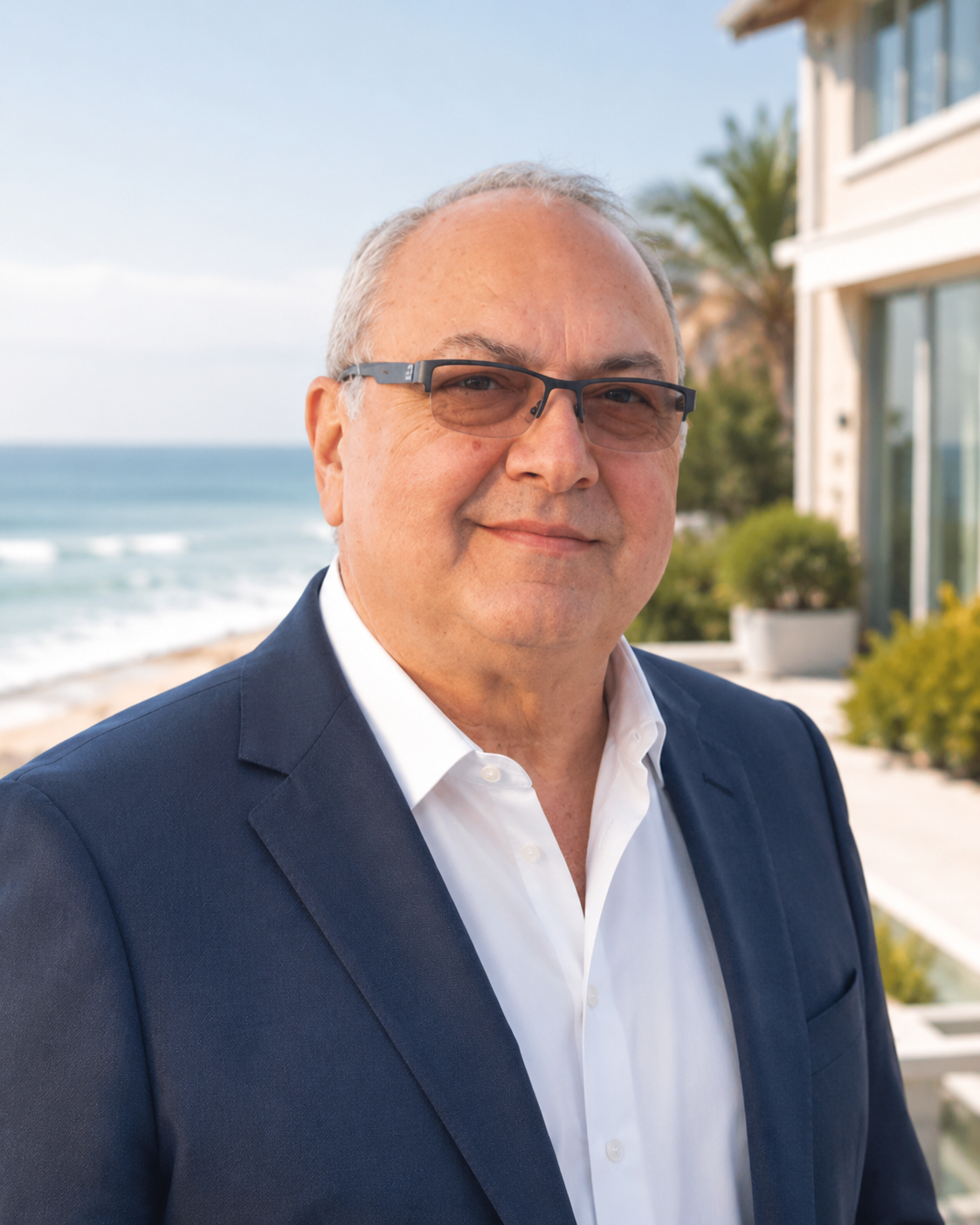
Realtor®, The K Company Realty (LoKation®)
Engineer, 25-year builder, and licensed Realtor® representing buyers and sellers across the seven Southwest Florida Gulf-coast pockets. Reviewed and published March 23, 2026.
Frequently asked
What makes a Punta Gorda Isles home 'sailboat access'? +
Sailboat access means a home sits on a deep canal with a clear, unobstructed route to open water — specifically, no fixed (non-opening) bridges between the dock and Charlotte Harbor that would limit a sailboat's mast height. Powerboat-access homes may have fixed bridges with limited vertical clearance. Always verify clearances and canal depth with a survey before assuming a property qualifies.
Why is Punta Gorda Isles considered good value? +
Punta Gorda Isles offers deep-water canal homes with direct Gulf access at a meaningfully lower dollar-per-waterfront-foot than marquee markets like Boca Grande or Naples. Buyers get genuine sailboat or powerboat access, maintained concrete seawalls, and an established boating community — without the trophy-market premium. As of early 2026 it remains one of Southwest Florida's stronger waterfront value propositions for boaters and investors.
How deep are the canals in Punta Gorda Isles? +
Canal depths in Punta Gorda Isles vary by location, but the sailboat-access canals are dredged and maintained to support keeled vessels reaching Charlotte Harbor. Depth and seawall condition differ property to property, so any specific home should be verified with a recent survey and the city's records. Never rely on a listing's depth claim alone — confirm it before you buy or build a dock plan.
Does Punta Gorda Isles have a homeowners association? +
Punta Gorda Isles is largely a deed-restricted but non-mandatory-HOA community in most sections, with seawalls maintained through a city-administered canal maintenance program funded by waterfront property assessments rather than a traditional HOA. Structures and rules vary by section and over time, so confirm the specific assessments, restrictions, and maintenance responsibilities for any individual property with the city and a real estate attorney.
Is Punta Gorda Isles a good place to buy new construction? +
Yes — Punta Gorda Isles has active new-construction inventory on canal lots, which appeals to buyers who want modern hurricane-code building and a turnkey waterfront home. Building or buying new on a sailboat-access lot can combine the area's value pricing with updated construction and lower insurance exposure. Work with an agent who knows the builders and can verify the lot's access and seawall before you commit.
Have OceanFL represent you — before you call any listing agent.
Start your discovery call →