- —Staging a waterfront home means presenting it so buyers focus on the water, the light, and the lifestyle — not the furniture.
- —The single biggest move is making the water view the hero of every room that has one: clear sightlines, clean glass, and framing furniture toward the view.
- —Neutral, coastal-toned interiors and decluttered spaces help buyers picture themselves living there and generally support stronger offers.
- —Outdoor living areas — docks, pools, lanais — often close the sale on the Gulf coast and deserve as much staging attention as the kitchen.
- —Well-staged luxury homes frequently photograph better, show better, and tend to sell faster than comparable un-staged listings, though results vary.
Staging a waterfront home for top dollar comes down to one idea: make the water the hero, and get everything else out of its way. On Florida’s Gulf coast, buyers are not just purchasing square footage — they are buying the view, the light, the dock, and the feeling of the lifestyle. Effective waterfront home staging directs every sightline, every furniture arrangement, and every photograph toward that feeling. Done well, it helps buyers fall in love faster and tends to support stronger offers and shorter time on market.
This guide walks through how to stage Gulf-coast luxury room by room, indoors and out, so your home shows the way buyers dream about it.
Make the water the hero of every room
Start with the obvious asset and refuse to bury it. In any room with a water view, the view should be the first thing a buyer sees and the last thing they remember. That means three non-negotiables.
First, clean every pane of glass until it disappears — sliders, windows, transoms, the lanai screen. Nothing kills a million-dollar view faster than smudged glass or salt film. Second, clear the sightlines. Move tall furniture, heavy drapery, and clutter away from windows so the eye travels straight to the water. Third, orient the room toward the view. Angle sofas, chairs, and the dining table so they frame the water rather than turn their backs to it.
The light matters as much as the view. Open every shade before a showing or shoot, and lean into the warm, airy quality that defines coastal living. A room that glows photographs beautifully — and the first showing for many waterfront buyers happens on a screen, often from out of state.
Declutter, depersonalize, and go neutral
Luxury buyers need to picture their life in the home, not study yours. Heavy decluttering and depersonalization are the unglamorous work that quietly drives results.
Edit ruthlessly. Clear countertops, thin out furniture so every room reads as spacious, and remove the personal photos, collections, and quirks that anchor a home to its current owner. The goal is a calm, intentional space — not an empty one.
For palette, stay in light, warm neutrals: soft whites, sand, pale greige, and gentle coastal blues and greens. These tones photograph well, feel effortlessly coastal, and let the water and light do the talking. Avoid bold, polarizing colors that impose a single taste — they shrink your buyer pool. The principle behind good home staging luxury work is subtraction: a quiet backdrop onto which a buyer can project their own future.
Occupied versus vacant homes
The approach shifts with the situation:
- Occupied homes need editing — declutter, depersonalize, and remove or rearrange existing furniture so spaces breathe.
- Vacant homes usually need addition — professionally brought-in furnishings give rooms scale, warmth, and purpose. Empty luxury rooms feel cold and photograph poorly, which works against you.
Your agent can advise which path fits your home, timeline, and budget.
Stage the outdoors like it’s the main event
On the Gulf coast, the outdoor living spaces often close the sale. The dock, the pool, the lanai, the sunset view — these are why buyers choose waterfront in the first place, so they deserve as much staging attention as the kitchen.
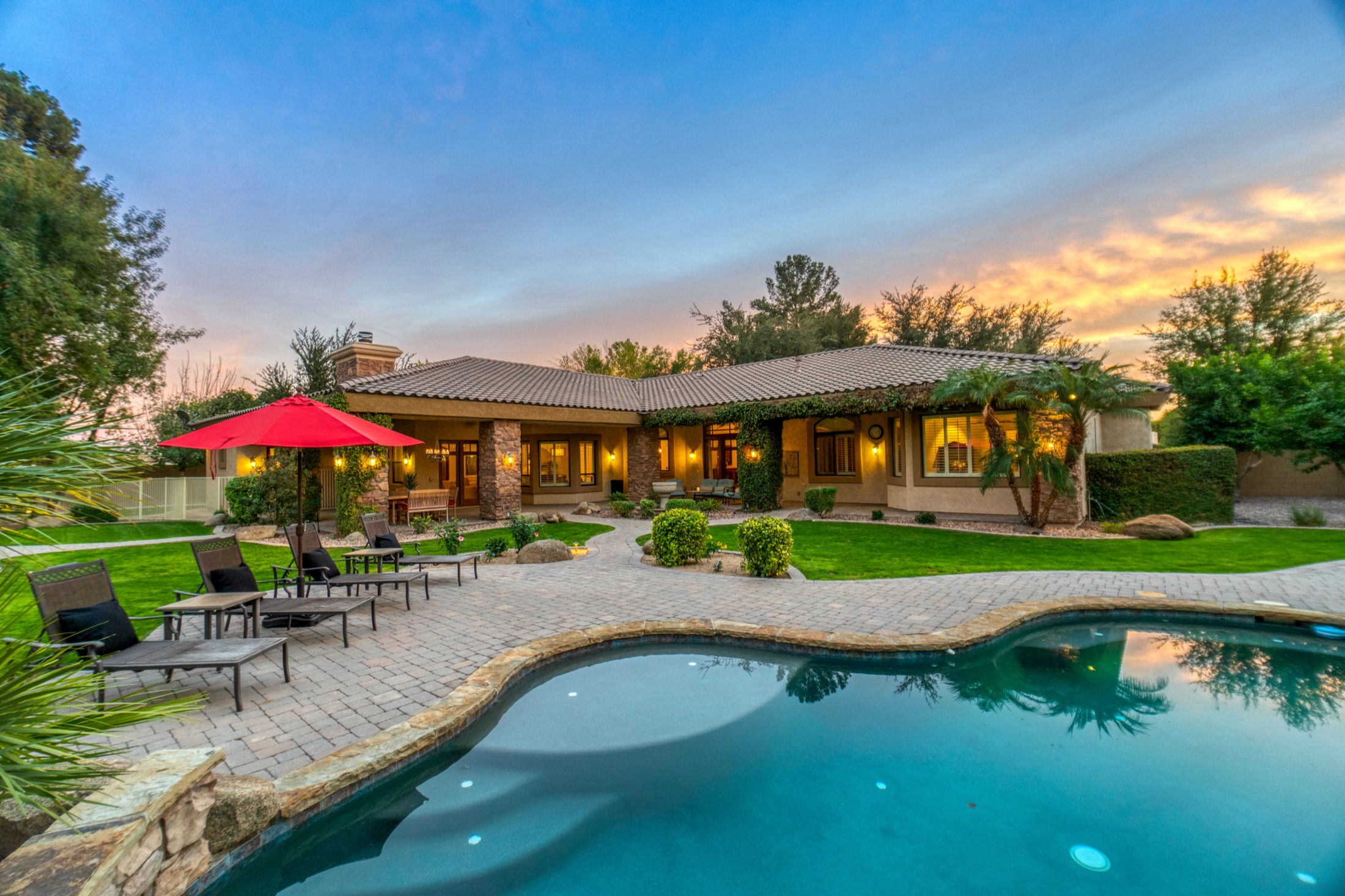
Make the dock and seawall look cared-for and ready: clean, uncluttered, and clearly conveying the water access. If the property has a true deep-water dock, stage it so its value is unmistakable — boating capability is a major driver of price here. Set the pool deck and lanai for living: clean furniture, a clear table, fresh cushions, the suggestion of a sunset cocktail. The story you are telling is this is how you’ll live here — and on the water, that story sells.
Curb appeal still matters too. Tidy landscaping, a clean driveway and entry, and a welcoming front door set the tone before a buyer walks in.
Where staging spend earns its keep
Not every dollar of staging returns the same. Here is how the major moves generally compare for a luxury waterfront home.
| Staging move | Typical impact on top-dollar outcome | Notes |
|---|---|---|
| Clearing & framing water views | Very high | The view is the asset; lead with it |
| Decluttering & depersonalizing | Very high | Low cost, high effect on how spacious and neutral a home feels |
| Outdoor living staging (dock, pool, lanai) | High | Often closes Gulf-coast buyers emotionally |
| Professional vacant-home furnishings | High (for empty homes) | Gives scale and warmth empty rooms lack |
| Neutral, coastal repaint where needed | Medium–high | Calms the palette; broadens the buyer pool |
| Minor repairs & deep clean | Medium–high | Removes objections before they form |
| Luxury décor splurges | Low–medium | Diminishing returns; presentation beats price tags |
The pattern is consistent: the highest-return moves are about clarity and emotion, not expensive objects. Industry surveys generally find staged homes sell faster and often attract stronger offers than comparable un-staged ones — though results always vary by market and property, so ask your agent to model the likely return before you invest.
Room-by-room: the spaces that close waterfront buyers
Beyond the view itself, a handful of rooms carry disproportionate weight in a luxury sale. Stage these with the most care.
The kitchen anchors how buyers feel about the whole home. Clear the counters down to one or two intentional accents, polish every surface, and let natural light flood in. A clean, calm, high-end kitchen suggests the rest of the home is just as well kept.
The primary suite should read as a private retreat. Crisp neutral bedding, uncluttered nightstands, and — if the suite has a water view — furniture angled to enjoy it. Buyers pay emotionally for the fantasy of waking up to the water.
Bathrooms punch above their size. Spa-like simplicity wins: fresh white towels, clear counters, spotless glass and grout. Small, inexpensive touches here read as luxury.
Living and dining areas should feel spacious and oriented toward the view and the light. Edit furniture so the room breathes, and create a clear, inviting flow from indoor living to the lanai and water beyond. The indoor-outdoor connection is central to coastal life, and staging should make that flow obvious.
The five-sense test
Great staging engages more than the eyes. Before any showing, run a quick sensory check: is the air fresh and free of pet or cooking odors? Is the temperature comfortable against the Florida heat? Is there soft natural light rather than harsh overheads? Are surfaces genuinely clean to the touch? Small sensory details quietly shape whether a buyer feels at home — and that feeling is what supports a top-dollar offer.
Repairs, maintenance, and removing objections
Staging makes a home desirable; pre-sale repairs keep that desire from unraveling. Buyers at this level — and their inspectors — scrutinize condition closely, and visible deferred maintenance invites both price chips and doubt about what else was neglected.
Before staging, address the obvious: touch up paint, fix dripping faucets and sticking doors, service the pool and HVAC, and ensure the dock, seawall, and lift are in clean working order. On the water, maintenance signals stewardship — a well-kept seawall and dock tell a buyer the home has been cared for where it matters most. Removing these small objections before a buyer ever forms them is among the cheapest ways to protect your price.
Photography and video: where staging pays off
Staging and presentation are inseparable. You stage the home so it photographs and films beautifully — because for waterfront buyers, especially out-of-state ones, the listing media is the first showing. Premium stills and cinematic video of well-staged interiors and outdoor spaces are what stop a qualified buyer mid-scroll and get them on a plane.
This is why staging should be done before the camera arrives, not after a buyer is already lukewarm. The sequence matters: prepare, stage, shoot, then market. Our companion guides on selling a luxury Gulf-coast home quietly and the best time to sell a Florida waterfront home cover how presentation fits into the broader sale strategy.
Pocket-by-pocket nuance
Buyer expectations shift by location. In Boca Grande, staging tends toward understated, timeless coastal elegance that suits the island’s character. In Venice and along the Cape Haze peninsula, a slightly broader, bright-and-airy coastal style often resonates with a wider buyer pool. Read your specific micro-market — and when in doubt, let your agent guide the styling decisions. Our questions page addresses the staging scenarios sellers ask about most.
Where OceanFL fits
OceanFL approaches staging as part of a complete top-dollar strategy, not an afterthought. Sabatino Campilii is the licensed Realtor® who advises you on what to stage, how to present, and how to price and position the result. The firm pairs that representation with brand-studio-grade marketing built by founder Italo — the cinematic photography and video that turn a well-staged waterfront home into a listing buyers can’t scroll past. (Italo is the unlicensed marketing and tech partner; all real-estate advice comes from Sabatino.) You stage it; we make sure the right buyers see it at its absolute best — and we represent you through to the closing table.

Realtor®, The K Company Realty (LoKation®)
Engineer, 25-year builder, and licensed Realtor® representing buyers and sellers across the seven Southwest Florida Gulf-coast pockets. Reviewed and published May 18, 2026.
Frequently asked
Does staging a waterfront home actually increase the sale price? +
Industry surveys consistently find that staged homes tend to sell faster and often attract stronger offers than comparable un-staged homes, though exact results vary by market and property. At the luxury waterfront level, staging works mainly by helping buyers emotionally connect with the lifestyle and view, which supports their willingness to pay. Ask your agent to model the likely return before investing.
What should I stage first in a waterfront home? +
Start with the rooms that have water views and the outdoor living spaces. Clear sightlines to the water, clean every pane of glass, and arrange furniture to frame the view rather than block it. Then stage the kitchen, primary suite, and the dock, pool, or lanai. These are the spaces that emotionally close waterfront buyers, so they earn the most attention.
Should I stage an occupied home or vacant home differently? +
Yes. An occupied home needs heavy decluttering, depersonalization, and editing of existing furniture so spaces feel open and neutral. A vacant home usually benefits from professionally brought-in furnishings so rooms have scale, warmth, and purpose — empty luxury rooms can feel cold and photograph poorly. Your agent can advise which approach fits your home and budget.
What colors work best for staging Florida coastal homes? +
Light, warm neutrals — soft whites, sand, pale greige, and gentle coastal blues and greens — generally photograph well and let the water and light take center stage. Avoid bold, polarizing palettes that impose a specific taste. The goal is a calm, airy backdrop that feels effortlessly coastal and lets buyers project their own life onto the space.
How much does luxury home staging cost in Florida? +
Costs vary widely depending on home size, whether furnishings are brought in, and how long the home is on the market. Vacant luxury staging is generally a larger investment than editing an occupied home. Treat staging as a marketing expense weighed against its likely effect on price and days-on-market, and ask your agent to help you size it sensibly for your property.
Have OceanFL represent you — before you call any listing agent.
Start your discovery call →