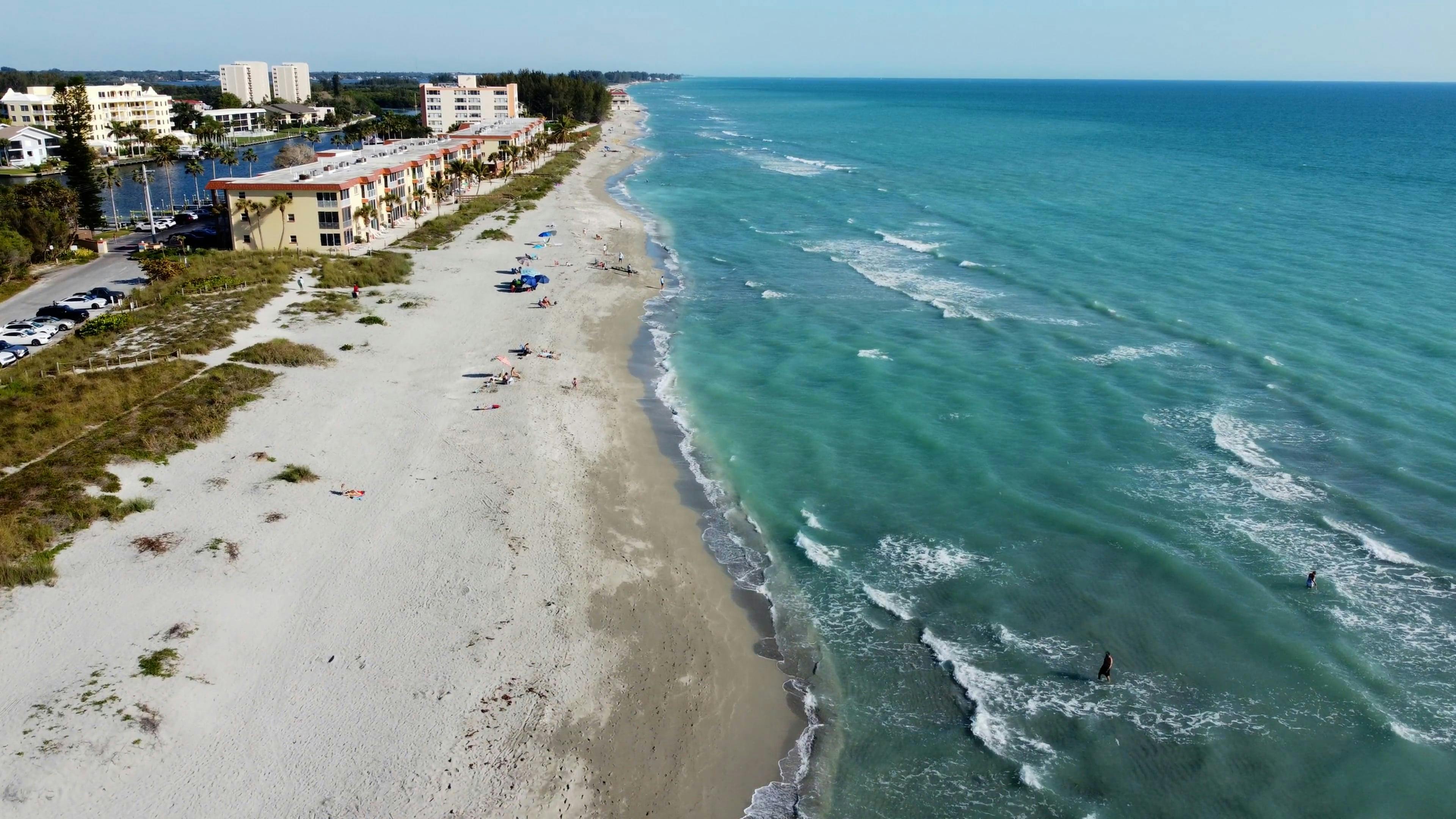
- —The best time to sell a Florida waterfront home has historically been the winter-to-spring season, roughly January through April, when seasonal buyers are in town.
- —Southwest Florida's selling season is shaped by snowbird demand: out-of-state buyers visit in the cooler months and many decide to buy what they fall for.
- —Summer and early fall are quieter and overlap with hurricane season, which can soften buyer urgency — though motivated buyers shop year-round.
- —Timing matters, but accurate pricing, strong presentation, and your agent's buyer network usually influence the outcome more than season alone.
- —These are general historical patterns, not guarantees — confirm current local conditions with your agent before setting a list date.
The best time to sell a Florida waterfront home has historically been the winter-to-spring season — roughly January through April — when seasonal buyers from colder states are in Southwest Florida and actively touring homes. That window concentrates the most motivated, qualified buyers in one stretch of the calendar, which generally means more showings and stronger demand. But season is only one lever. Pricing, presentation, and your agent’s buyer network often matter more, and these are broad historical patterns, not guarantees.
This guide breaks down how seasonality, snowbird demand, and hurricane patterns shape the smartest window to list — and why the calendar is rarely the whole story.
Why Southwest Florida has a selling season
Unlike year-round markets, the Gulf coast runs on a clear seasonal rhythm driven by seasonal residents and out-of-state buyers. Many arrive between late fall and spring to escape northern winters, and while they are here, they tour homes — and a meaningful share decide to buy what they fall in love with.
That pattern concentrates demand. From roughly November through April, buyer traffic, showing activity, and competitive tension generally rise across luxury waterfront markets like Boca Grande, Venice, and the Cape Haze peninsula. Listing so your home is polished, photographed, and visible as those buyers arrive positions you for the heart of the demand window.
The takeaway for seasonal real estate Florida sellers: you generally want your home looking its best and fully on the market as the season builds, not scrambling to prepare after peak demand has already passed.
The seasonal map: what each window generally looks like
Patterns vary year to year, but the broad historical shape of the Southwest Florida selling calendar looks like this.
| Season | Months | General buyer activity | Notes |
|---|---|---|---|
| Peak | Jan–Apr | Highest | Seasonal buyers in town; most showings and competition |
| Pre-season build | Nov–Dec | Rising | Snowbirds arriving; good window to list and get ahead |
| Off-season | May–Aug | Lower | Quieter, hotter; motivated and relocating buyers still shop |
| Storm-aware | Sep–Oct | Lowest | Overlaps peak hurricane season; urgency can soften |
Read this as tendencies, not rules. Motivated buyers shop in every season — relocating families, investors, and 1031 buyers don’t wait for January. And lighter inventory in the off-season means less competition for your listing, which can work in your favor.
Listing ahead of the wave
Because preparation takes time, many sellers aiming for the peak window start the process in the fall: completing repairs, staging the home, and building the photo and video library so everything is ready the moment seasonal demand arrives. Getting in early — rather than launching mid-peak alongside a flood of competing listings — can help your home stand out.
Hurricane season and how it affects timing
Florida’s hurricane season runs June through November, with activity generally peaking from August into October. For sellers, this matters in two practical ways.
First, buyer urgency can soften during the highest-risk months — some out-of-state buyers prefer to shop after the season’s risk has passed. Second, it shapes buyer questions: expect more scrutiny of construction quality, elevation, insurance, and storm resilience. Homes built to modern hurricane code tend to answer those questions well, which is one reason new construction can carry an insurance and confidence advantage. If your home has storm-resilient features, make sure they are documented and easy for buyers to verify.
None of this means you can’t sell in storm season — well-priced, well-presented homes sell year-round. It simply means timing decisions should account for the calendar’s effect on buyer psychology. As with anything insurance-related, confirm specific coverage and cost questions with a licensed insurer, since those vary by property and change over time.
Why pricing and presentation usually beat timing
Here is the part most sellers underweight: the calendar influences how many buyers are looking, but it rarely determines your outcome. Accurate pricing, strong presentation, and the reach of your agent’s buyer network typically move days-on-market and final price more than the season does.
A sharply priced, beautifully staged waterfront home tends to sell well even in a quieter month, because the small pool of serious buyers active then faces less competition for it. A mispriced or poorly presented home can stall even at the peak of season, when the most buyers are watching. Season sets the stage; your pricing and presentation decide the result.
This is also where a quiet, network-first approach can decouple your sale from the calendar entirely. When your agent markets directly to qualified buyers through brokerage and builder relationships — the legitimate off-market channel — you are reaching motivated buyers regardless of the month. Our guide on selling a luxury Gulf-coast home quietly explains how that works.
How property type changes the timing math
Not every waterfront home follows the same seasonal curve. The type of buyer your property attracts shifts when it sells best.
Primary-residence luxury homes tend to track the classic snowbird calendar most closely, because their buyers are often relocating seasonal residents touring during the cooler months. For these, the winter-to-spring window usually offers the deepest pool.
Vacation and second homes are also seasonally driven, but their buyers sometimes shop in shoulder seasons while planning a future move, so demand is a bit more spread out.
Investment and rental properties follow a different logic entirely. Investors evaluate numbers — rental income potential, cap rates, and condition — more than weather, so they shop year-round. If your home has a strong vacation-rental income story, that case can be made in any month, and a quieter season may even mean less competition for serious investor attention.
New or recently built homes carry a year-round advantage: their modern construction, lower insurance profile, and storm resilience answer the questions buyers ask most, which can soften the usual seasonal dip. The point is to match your strategy to your buyer, not just to the calendar.
Coordinating a sale with your next move
For many Gulf-coast sellers, timing the sale is really about timing a transition — into a larger waterfront home, a new-construction property, or a different pocket of the coast. That coordination adds a layer to the calendar question.
If you are selling to buy again locally, remember that the same seasonal forces affecting your sale also affect your purchase. A peak-season sale may fetch strong demand, but you’ll also be buying into that same competitive window. Some sellers prefer to sell at peak and buy in the quieter off-season, when they face less competition as buyers. There is no universal answer — the right sequence depends on your finances, your flexibility, and inventory in your target market. If your move involves a 1031 exchange or other tax considerations, the calendar matters even more, and those time-sensitive rules should be confirmed with a licensed CPA or attorney well before you list.
Should you wait for a “better” market?
Many sellers wonder whether to hold out for stronger conditions. Trying to time the broader market precisely is difficult — it shifts with interest rates, inventory, and demand, and even professionals get it wrong. For most owners, focusing on what you control — pricing, condition, presentation, and choosing a capable agent — produces better outcomes than waiting for a perfect market that may never quite arrive.
If your move genuinely depends on market or financial conditions, model the scenarios with your agent and a financial advisor before deciding. And remember that selling and buying are usually linked: if you are trading into another Gulf-coast property, timing your sale also means timing your next purchase. Our questions page walks through common seller timing scenarios in detail.
Putting it together
For most Florida waterfront sellers, the smartest plan is straightforward: prepare in the fall, be fully market-ready as seasonal demand builds, and price to the market on day one. That captures the peak buyer window without betting everything on it. If your timeline points to summer or storm season instead, lean harder on pricing, presentation, and targeted buyer outreach to offset the lighter traffic.
Above all, treat these seasonal patterns as general historical tendencies, not promises. Markets evolve, and the right list date for your specific home depends on current conditions — which is exactly the conversation to have with your agent before you set a date.
Where OceanFL fits
OceanFL helps you time your sale around what actually moves the number, not just the calendar. Sabatino Campilii is the licensed Realtor® who reads current local conditions, advises on the right window for your specific home, and prices and positions it to perform whenever you list. The firm backs that with brand-studio-grade marketing and automation from founder Italo — so your home reaches qualified buyers through targeted, year-round outreach, not just seasonal foot traffic. (Italo is the unlicensed tech and marketing partner; all real-estate advice and representation come from Sabatino.) Whatever the season, you have a licensed agent working for you.

Realtor®, The K Company Realty (LoKation®)
Engineer, 25-year builder, and licensed Realtor® representing buyers and sellers across the seven Southwest Florida Gulf-coast pockets. Reviewed and published May 25, 2026.
Frequently asked
When is the best time to sell a Florida waterfront home? +
Historically, the strongest selling window in Southwest Florida has been winter into spring — roughly January through April — when seasonal buyers from colder states are in the area. Demand and showing activity generally peak in those months. That said, these are broad historical patterns rather than guarantees, and the right list date depends on your specific home, market conditions, and goals. Confirm timing with your agent.
Is it a bad idea to sell in summer or hurricane season? +
Not necessarily. Summer and early fall are generally quieter and overlap with hurricane season, which can soften buyer urgency and slow showings. But motivated buyers — including relocating families and investors — shop year-round, and lighter inventory means less competition for your listing. A well-priced, well-presented home can sell in any season. Discuss the trade-offs with your agent.
How does snowbird season affect when I should list? +
Southwest Florida's market is heavily shaped by seasonal residents who arrive in the cooler months. Many out-of-state buyers visit November through April, tour homes, and decide to buy what they fall in love with. Listing so your home is polished and visible as those buyers arrive — often late fall into winter — can position you well for the peak demand window. Patterns vary year to year.
Does timing matter more than price when selling waterfront? +
Generally, no. Season influences how many buyers are looking, but accurate pricing, strong presentation, and the reach of your agent's buyer network usually influence days-on-market and final price more than the calendar. A sharply priced, beautifully presented home tends to sell well in any season, while a mispriced one can stall even at peak. Treat timing as one factor among several.
Should I wait for the market to improve before selling? +
Trying to time the broader market precisely is difficult and risky, since conditions shift with rates, inventory, and demand. For most sellers, focusing on factors you control — pricing, condition, presentation, and choosing a capable agent — produces better outcomes than waiting for a perfect market. If your move depends on market conditions, model the scenarios with your agent and a financial advisor first.
Have OceanFL represent you — before you call any listing agent.
Start your discovery call →